
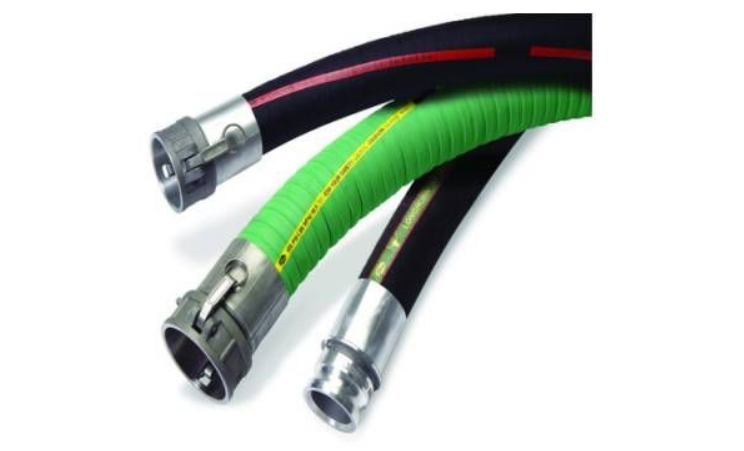
Industrial operations depend on systems that are only as reliable as their weakest component. In many facilities, hoses and fittings are the lifelines that keep processes running smoothly, transferring air, water, chemicals, hydraulic fluid, or food-grade liquids. While these components may appear secondary to larger machinery, they are, in fact, central to plant safety and performance.
When hoses and fittings are not properly specified, installed, or maintained, they create vulnerabilities that can lead to costly downtime, contamination, and even serious workplace injuries. On the other hand, choosing the right industrial hoses and fittings, designed for the application and sourced from a trusted supplier, ensures operational safety, reduces risks, and supports long-term efficiency.
Risks of Poor Hose Selection
The consequences of inadequate hose and fitting choices extend well beyond minor leaks. Consider the following risks:
- Safety Hazards: A hose not designed for high-pressure applications can burst unexpectedly, creating risks of fluid injection injuries, chemical burns, or slips and falls.
- Equipment Damage: Incompatible fittings or low-grade hoses may result in leaks that corrode nearby machinery, causing breakdowns and expensive repairs.
- Contamination Risks: In industries like food and beverage, a non-food-grade hose can compromise product safety, leading to recalls and regulatory penalties.
- Unplanned Downtime: A failed hose in a critical process line means immediate shutdown until a replacement is installed, sometimes halting production entirely.
- Financial Losses: Beyond repair costs, poor hose choices increase maintenance frequency, labour costs, and lost output, significantly impacting profitability.
Every facility manager knows that downtime equals money lost. Avoiding these risks begins with understanding hose categories and their specific uses.
Types of Industrial Hoses and Their Use Cases
Not all hoses are created equal. Each type is engineered for specific materials, pressure ratings, and environmental conditions. Selecting the correct hose ensures both performance and safety:
- Hydraulic Hoses: Designed to handle extremely high pressures, these hoses are critical for construction machinery, manufacturing equipment, and mining applications. They must withstand constant pressure surges without failure.
- Chemical Hoses: Built with specialised materials to resist acids, solvents, and corrosive chemicals. Essential in chemical processing plants, where incorrect hoses could mean catastrophic leaks.
- Air and Pneumatic Hoses: Common in workshops and production facilities, these hoses safely deliver compressed air to tools and machinery. Proper fittings prevent leaks that waste energy and reduce tool performance.
- Food-Grade Hoses: Constructed from non-toxic, odourless, and tasteless materials approved for food use. These hoses are vital for breweries, dairies, and food manufacturers to avoid contamination.
- Steam Hoses: High-temperature resistant hoses designed for cleaning, sterilisation, or industrial steam transfer. Incorrect use can lead to dangerous hose ruptures.
- Water and Utility Hoses: Everyday hoses used for plant washdowns, cooling processes, or water transfer. While less specialised, they still require durability and reliability to avoid interruptions.
Matching the correct hose to its environment is not optional, it is the foundation of workplace safety and system integrity.
Importance of Correct Fittings
While hoses carry the load, fittings ensure connections are secure, leak-free, and capable of withstanding pressure. The wrong fitting, even on the best hose, can undermine the system.
- Thread Compatibility: Mismatched threads can cause leaks or fitting failure.
- Material Selection: Brass, stainless steel, and other alloys must be chosen based on chemical and temperature exposure.
- Pressure Ratings: A fitting rated lower than the hose is a weak point waiting to fail.
Correct hose-to-fitting pairing is as important as hose selection itself. Industrial managers should never compromise on fittings, as they are the final safeguard against leaks and pressure loss.
The Role of Maintenance in Hose Safety
Even the best hoses and fittings require ongoing inspection and maintenance. Best practices include:
- Regular Visual Inspections: Checking for cracks, abrasions, or swelling.
- Scheduled Replacements: Proactively replacing hoses before their end-of-life to prevent unexpected failure.
- Pressure Testing: Ensuring hoses can still withstand their rated pressures after prolonged use.
- Proper Storage: Keeping hoses away from direct sunlight, chemical exposure, or sharp bends extends service life.
By adopting preventative maintenance, facilities can significantly reduce hose-related accidents and improve operational safety.
Sievert’s Quality Assurance and Range
Sievert offers a complete range of industrial hoses and fittings tailored for South African industries. Their product line includes:
- High-pressure hydraulic hoses for construction and mining.
- Specialist chemical hoses for safe transfer of corrosive liquids.
- Food-grade hoses manufactured to meet strict hygiene requirements.
- Pneumatic hoses and fittings for workshop efficiency.
- General-purpose hoses for everyday plant utility applications.
Every hose and fitting supplied by Sievert undergoes strict quality assurance to meet performance and safety standards. With expert guidance and reliable stock availability, Sievert supports maintenance managers, engineers, and technicians in sourcing products that minimise risks and reduce downtime.
Conclusion
Industrial hoses and fittings may not always be the most visible part of a system, but they are among the most critical. Choosing the wrong components can lead to equipment failure, safety incidents, and costly downtime. With Sievert’s trusted range of industrial hoses and fittings, businesses can improve workplace safety, extend equipment life, and maintain operational efficiency.
Ensure your facility is equipped with the right hoses and fittings. Contact Sievert today to discuss your requirements and source products that deliver reliability and safety.
